
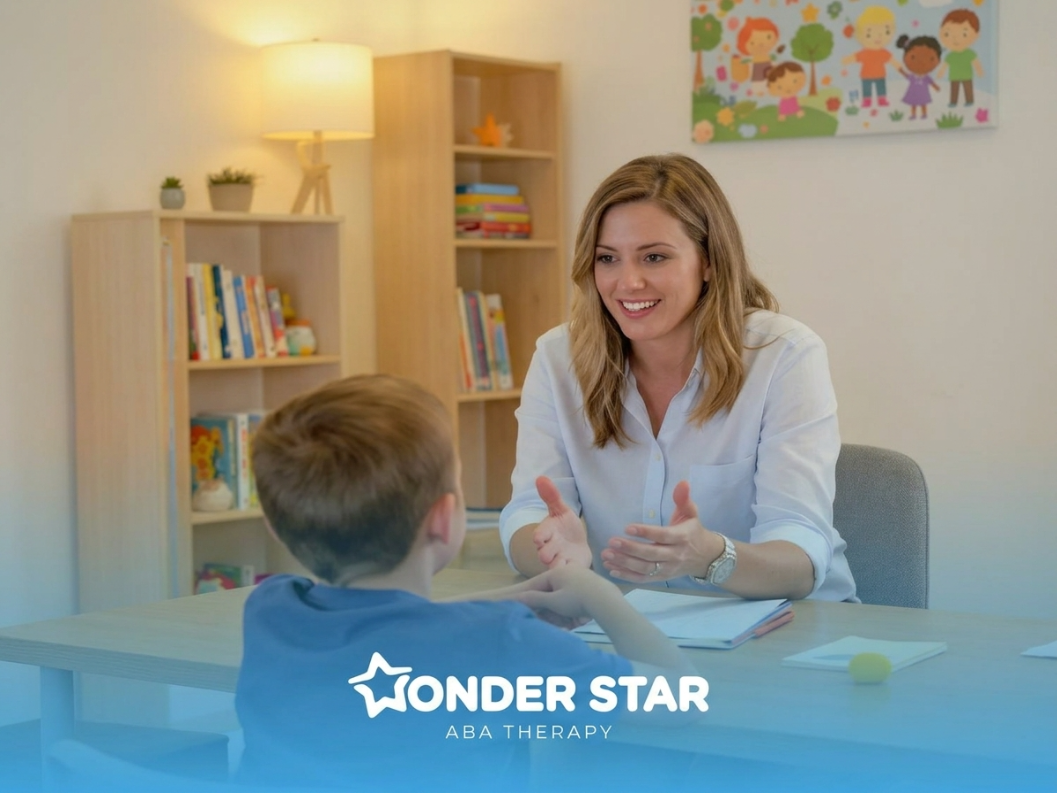
ASD stands for autism spectrum disorder, which encompasses a set of characteristics associated with social interaction, communication, and behaviors related to one’s environment. The use of the word “spectrum” reflects the fact that symptom manifestations vary among individuals.
While some kids require extensive support in their daily lives, others are self-sufficient but face difficulties regarding communication and interaction. Although children with autism do not possess any one trait, they possess many traits that develop over time.
Kids with autism have lots of different behaviors and ways of communicating compared to other kids. How can we understand autism? We can think about it like an operating system. They are neither disabled nor broken, but only different. Sounds would appear loud. Faces would appear hard to read.
Even a small encounter would appear challenging. These differences affect their development and learning. Understanding autism in the early stages helps parents make sense of things. Confusion is replaced by clarity.
Most important of all, it allows for intervention that could enable the child to flourish. Programs such as ABA Therapy in Ohio provide structured support, helping children build essential skills and reach their full potential.
Why Early Detection of ASD Matters
Early detection changes everything. In the initial years of a child’s life, the brain develops incredibly fast. Connections form rapidly within the brain, especially those related to language, emotional attachment, and social development.
In cases where signs of autism are evident during these years, they might have an impact on the formation of the brain connections. Where signs of autism become apparent early on, parents have the opportunity to take immediate action.
Studies show that early intervention always yields positive results. This is because children who received early help tend to achieve more success than their peers who received late assistance. The challenge lies in recognizing the signs.
Many early symptoms do not look dramatic. They can manifest as subtle distinctions, such as reduced eye contact, failure to point, or delayed verbal communication. They are easy enough to blend into normal variations that they may be overlooked.
According to the American Academy of Pediatrics (AAP), children should undergo screening for autism at 18 and 24 months old. It is done to detect early red flags while they are still hard to discern as problems. However, there is no need to wait for screening results before taking action if something seems unusual. You see your child every day. You notice patterns others might miss. Early intervention is not a rush to judgment. Early intervention provides your child with the tools they need to succeed.
What Are Some Early Signs of Autism?
Children develop at different rates, but certain distinctive features become evident when autism is present. They arise not in the developmental processes of movement but within social interaction. A child might be able to walk, crawl, and sit normally.
This can give an impression that everything is alright. The child may also have normal interaction skills. Infants normally relate socially to others. These interactions build the foundation for communication.
Children with autism may not follow this pattern consistently. You might notice:
- Limited or no eye contact
- Lack of response when their name is called
- Minimal use of gestures like pointing or waving
- Preference for playing alone
These symptoms may not all show up simultaneously. The development process is gradual, making it difficult to detect.
Another key consideration is the gestures that children use to communicate. Pointing, reaching, and waving are some examples. Delays or lack of gestures could indicate developmental issues.
Identifying these symptoms early gives parents time to act before the difficulties escalate.
Why Symptoms of ASD Go Unnoticed
Some symptoms of autism tend to be similar to those of ordinary behavior. They may go unnoticed since they resemble the child’s personality. For instance, a docile infant is viewed as being good, and a shy toddler appears independent.
The parents then compare their children to other children. Any subtle difference will not immediately cause alarm for parents. Doctors even advise parents to wait and see whether their child will develop normally.
People’s emotions also affect their judgment. Everyone would want to believe that nothing is wrong with their children. Waiting too long, however, could become detrimental to them.
Some common reasons signs go unnoticed include:
- Believing the child will “grow out of it.”
- Comparing with siblings who developed differently
- Misinterpreting signs as shyness or independence
- Lack of awareness about early autism symptoms
Awareness changes everything. When parents know what to look for, they can spot patterns earlier and take meaningful steps forward.
3 Core Symptoms of Autism Spectrum Disorder
1: Delay in or Lack of Joint Attention
Joint attention is an early social skill that develops within a child. It is the act of sharing your attention with someone else, for instance, the baby looking at the toy before looking up at their parent to get them to join in.
The seemingly simple act is crucial in many aspects of development. It enables them to establish connections, communicate, and learn from other people. This is why learning such a skill can be difficult for children with autism. They may not follow a parent’s gaze or respond when someone points. Instead, they may focus only on objects.
Here are signs of joint attention challenges:
- Not looking back and forth between an object and a person
- Not pointing to show interest
- Ignoring attempts to share attention
- Lack of eye contact during conversations
It may often lead to confusion about hearing problems when a child fails to respond to their name.
Joint attention serves as a link between the child and his environment, and a lack of this link adversely affects all other aspects of development.
The Development of Joint Attention in Infants and Toddlers
Joint attention follows a developmental pattern.
By 12 months:
- Most children follow a parent’s point
- They look at an object, then back at the parent
- They often smile to share the moment
A child with autism may ignore the point or focus only on the object.
By 15 months:
- Children point to objects they want
- They use gestures to communicate needs
A child on the spectrum may:
- Take a parent’s hand to the object
- Avoid eye contact during interaction
By 18 months:
- Children point to share interest, not just to request
- They check if others are paying attention
An autistic child will use pointing only to get something, not to share joy. These stages might seem insignificant; however, they show how a child interacts with others. These developmental stages are indicative of early autism.
2: Language Delays and Differences
Language delays are one of the most noticeable symptoms of autism. However, the difference is not just about when a child starts talking. It is about how they use language.
Some children may not speak their first words on time. While other children can learn how to make words, they might find it hard to use them effectively. For instance, a kid can learn to utter the word “ball” without being able to form any sentences requesting assistance.
Communication is not limited to words alone. It also comprises gestures, facial expressions, and tonality. Children with autism spectrum disorder may have problems with these aspects.
Examples of communication difficulties experienced by children with autism spectrum disorder are:
- Small vocabulary for their age range
- Difficulty initiating or sustaining conversation
- Unable to gesture through pointing or waving
- Minimal response to others speaking
Some children might an able to speak without engaging in give-and-take. This tends to make conversations one-sided.
Knowledge of such patterns will help parents focus more on their child’s mode of communication rather than the quantity.
Echolalia, Repetitions, and Odd Usage of Language
Repetitions are normal among young children, but in autistic patients, they take on another form called echolalia.
A child may repeat:
- Words or phrases immediately after hearing them
- Lines from TV shows or movies
- Conversations with the same tone and rhythm
This repetition helps them process language, even if it seems unusual.
Some children also use advanced language. They may sound like adults when they speak. But they may still struggle with everyday conversation.
For example:
- Kids may answer questions but not ask their own
- They may talk about specific interests repeatedly
- Autistic kids may struggle to adjust their language in social situations
This creates a gap between speaking ability and communication skills.
3: Regression in Developmental Skills
When a child begins to lose abilities previously acquired, this phenomenon is called developmental regression.
Around one-quarter of children with autism have been found to exhibit developmental regression. It often occurs between 15 and 24 months.
Parents may notice:
- Loss of words the child once used
- Reduced eye contact
- Decreased social interaction
- Less interest in play
This change can feel sudden or gradual.
Regression does not mean the child is losing intelligence. It reflects a shift in development that requires attention and support.
When and How Regression Happens
Regression can happen in different ways. Some children lose skills quickly, while others show a slow decline.
Signs to watch for include:
- Stopping the use of gestures like waving or pointing
- Becoming more withdrawn
- Losing interest in social interaction
- Reduced response to name
It is normally described by parents as “my kid pulling back.” It can be a terrible experience, but early recognition will help you react swiftly.
With early recognition, children will regain lost skills and develop new ones.
How Autism Spectrum Disorder Is Diagnosed
When Should You Screen for Autism
Screening for autism should occur during routine check-ups at 18 and 24 months.
You should screen for autism if you have concerns about:
- Speech delay
- Loss of previously learned skills
Early testing provides clarity about what comes next.
What Happens During an Autism Screening
Autism screening is an assessment of how your child acts and develops. The screening may involve specific tools and questioning.
The process often includes:
- Developmental history review
- Behavioral observation
- Communication assessments
The idea is to know what your child needs and help accordingly.
What Parents Can Do After Recognizing Autism Symptoms
Early Intervention and Its Advantages. Early intervention can completely change someone’s life. It concentrates on skill development during a person’s developmental years.
Benefits include:
- Improved communication skills
- Better social interaction
- Reduced challenging behaviors
- Increased independence
Starting early gives your child the best chance to grow.
How ABA Therapy Can Help
Applied Behavior Analysis (ABA therapy) is one of the most effective approaches for supporting individuals with autism. It focuses on teaching skills through structured and positive reinforcement.
ABA therapy helps children with autism with following ways:
- Learn communication skills
- Improve social interaction
- Build daily living skills
- Reduce challenging behaviors
Many families see steady progress with consistent support.
Conclusion
Knowing the symptoms of autism will help parents make decisions. Lack of joint attention, language difficulties, and developmental delay are the three significant symptoms that provide a clear indication.
Even though these symptoms might seem insignificant, they are significant. Early recognition will allow families to obtain assistance and begin intervention.
It is vital to remember that every child grows at their own pace. However, early recognition offers an opportunity for development.