
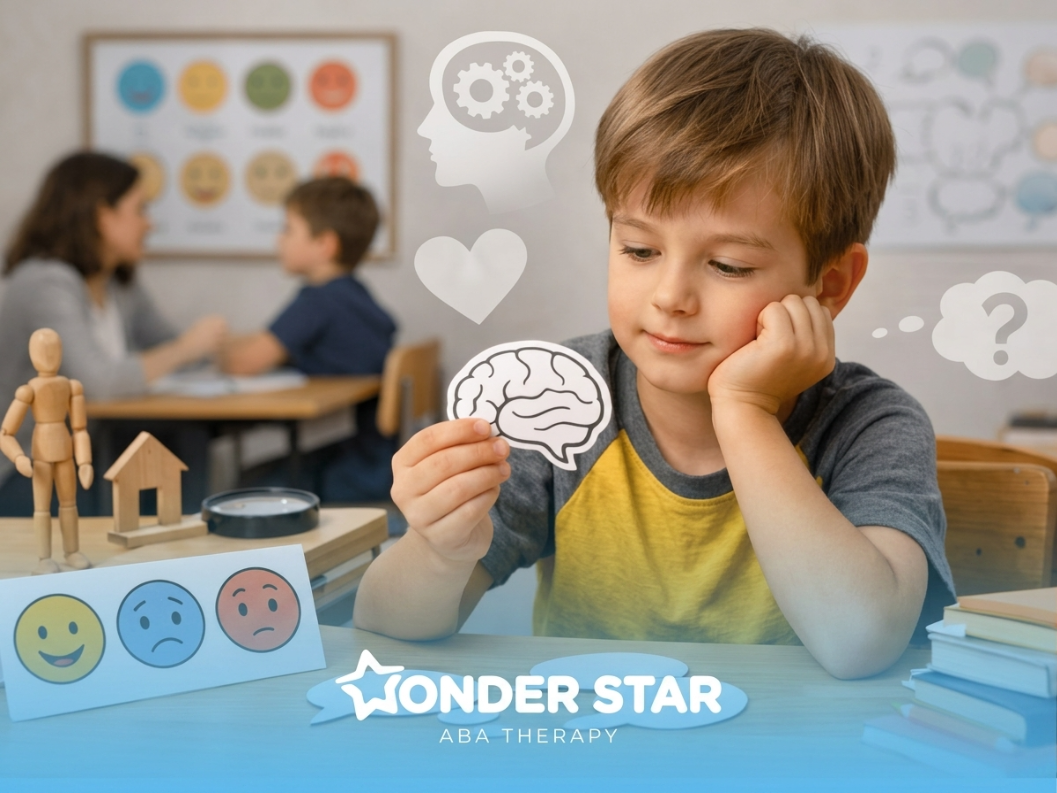
Discovering that your child may be developing differently brings up a whirlwind of emotions. Many parents and caregivers naturally wonder what is autism and how it affects children and adults uniquely. It is completely normal to feel a mix of worry, urgency, and a deep desire to find clear answers.
Autism spectrum disorder is a lifelong neurodevelopmental condition that shapes how individuals perceive the world, communicate, interact socially, and behave. Because it exists on a spectrum, every individual experiences it differently. This guide is designed to ease your anxiety by providing a clear, trustworthy breakdown of the definition of autism, common signs, causes, diagnosis, and the support options that help families thrive.
What Is Autism Spectrum Disorder?
Autism Spectrum Disorder is not a single medical condition or a disease to be cured. It is a deviation in the developmental process of the brain that changes the manner in which a person processes information and experiences his surroundings.
The most important thing is the term “spectrum”. This word shows that although people who have ASD all share certain basic qualities, they have a variety of abilities and difficulties. Some people may be highly verbal and academic but not understand much about social interaction. Others may be completely non-verbal but show tremendous abilities when working visually and technically.
Understanding what ASD really means is to understand that it naturally impacts:
- Communication: In terms of verbal communication, writing, and understanding language.
- Social interaction: In the ability to understand social behavior, eye contact, and relationships.
- Sensory processing: In how one responds to light, noise, touch, smell, etc.
- Behavior and routines: In the need for routine, repetitive behaviors, or narrow interests.
What Are the Common Signs of Autism?
Recognizing the signs of autism in children helps parents move forward with confidence. While every child is unique, developmental differences usually appear early in childhood. Look for specific traits across these four main areas.
Communication Problems
They may delay speaking and have trouble communicating what they require. Children may have the tendency to echo words and phrases that they listen to rather than talking with their own language. Other things that may come into mind when dealing with children with autism are their monotone speech and their inability to start a conversation.
Difficulty Socializing
Looking into someone else’s eyes and being able to read their expression is a problem for children with autism. Socializing with other children is also not very easy for them, as they do not notice gestures and social cues from the people around them.
Compulsive Behavior
Many children engage in repetitive motions such as flapping hands and rocking back and forth to calm themselves. They will also insist on keeping a rigid daily schedule and become very frustrated when it is disrupted. The kids will also have a tendency to fixate on certain subjects and objects.
Sensory Issues
A kid can become completely distressed or overwhelmed by sounds, lighting, and even clothing material. Other children might underreact, showing a very high tolerance for pain or cold temperatures.
What Causes Autism Spectrum Disorder?
One of the first questions parents ask is why their child has this condition. It is important to reassure yourself that autism is not the result of anything you did wrong. Clinical research shows that there is no single known cause for autism. Instead, it is widely understood to be caused by a combination of factors:
- Genetics: Multiple genes and hereditary traits play a significant role in increasing the likelihood of an individual developing the condition.
- Brain development differences: Advanced neuroimaging shows that structural connections in the brain form differently during early embryonic development.
- Environmental influences: Specific prenatal factors or advanced parental age can interact with genetic vulnerabilities.
Decades of rigorous global medical research have definitively proven that vaccines do not cause autism. The tone of modern medicine is clear, factual, and reassuring: autism is entirely biological.
How Is Autism Diagnosed?
Navigating the diagnostic pipeline can feel stressful and urgent, but a formal evaluation provides an efficient roadmap to tailored care. There is no simple blood test; instead, diagnosis relies on expert observation.
- Importance of early observation: Tracking your child’s milestones helps you advocate for them effectively. Identification in early stages provides access to important resources.
- Who may diagnose autism: An official diagnosis comes from trained medical practitioners, namely pediatricians, developmental doctors, child psychiatrists, and speech therapists.
- Common evaluation areas: The areas that are often evaluated include a variety of skills such as communication, behavior, social interaction, and motor skills.
- A diagnosis can be conducted at different ages: though symptoms can be noticed by the age of two, an official diagnosis can be made at any stage of development.
Why Early Intervention Matters
When a child’s brain is young, it possesses a high degree of neuroplasticity, which means it is uniquely adaptable to learning new pathways and habits. That’s why the earlier we tackle developmental issues, the more effective it becomes.
The earlier we diagnose ASD, the better it will be for the child throughout their lifetime. Interventions in this stage help develop:
Communication abilities: Assisting kids in finding appropriate ways to communicate, either verbally, through signs, or other tools.
Self-regulation: Teaching kids to recognize the triggers causing sensory overload and learn to regulate their emotions.
Independence skills: Teaching basic self-care skills such as dressing, eating, and hygiene.
Families can access these benefits through structured specialized therapies, school accommodations, and community-based educational support options.
The Impact of Autism Spectrum Disorder on Everyday Life
Autism affects how an individual processes key aspects of their everyday life, and careful modifications must be made by both the individual and society.
In School
School settings create a high level of stimuli for autistic individuals, as well as learning differences and the necessity for structure that can be handled effectively by making modifications such as IEPs.
At Home
Communication difficulties at home can cause increased family tension in some instances, but creating a streamlined environment makes it easier for everyone to function successfully.
Social Relationships
Making friends and understanding complex emotions or peer interactions can require hard work. However, experiences vary widely from person to person; many individuals build deeply fulfilling relationships when given the patience and space to communicate in their own way.
Treatment and Support Options for Autism
Because every individual’s profile on the spectrum is distinct, there is absolutely no one-size-fits-all approach to care. The goal of any program should be to build independence, reduce distress, and enhance overall quality of life.
Common evidence-based support options include:
- Speech Therapy: Deals with the development of spoken language and the use of other means for communication, as well as socialization in communication.
- Occupational Therapy: Dealing with sensory integration problems, fine motor skill development, and learning how to function independently.
- Behavioral Therapy: Defines the steps through which useful behaviors will be formed, preventing self-injury or extreme distress.
- Social Skills Training: Provides a safe setting for interacting with peer group members.
- The plan should combine all these therapies along with maximum parental participation in order for techniques to be applied continuously, providing an atmosphere of safety for the child.
Common Misconceptions About Autism
Misunderstandings about autism are still very common. Accurate information helps families make informed decisions and promotes greater acceptance.
“People with Autism Don’t Want Friends”
This is a harmful myth. Most individuals on the spectrum deeply desire human connection and meaningful relationships; their way of initiating or maintaining those social connections simply looks different.
“Autism Only Affects Children”
Autism is a lifelong condition. Children on the spectrum grow into adults who continue to benefit from customized career support, independent living accommodations, and community understanding.
“All Individuals with Autism Are the Same”
The spectrum is vast and multidimensional. Two people with the exact same diagnosis can have entirely opposite strengths, personalities, profiles, and support needs.
“Autism Is Caused by Bad Parenting”
This outdated concept has been thoroughly disproven by modern science. Autism is a neurodevelopmental condition present from birth and is never a reflection of parental love, discipline, or household environment.
Tips for Parents and Caregivers
Caring for a child with autism involves both efficiency and emotional strength. Some useful tips for you would include:
- Educate yourself only from legitimate health organizations or advocacy groups regarding autism.
- Carefully study behavioral patterns and stimuli and maintain records in an organized manner each day.
- Consult professionals right away if there is something that bothers you, instead of waiting to see if the child grows out of it.
- Build on your kid’s strong areas while also addressing their deficiencies.
- Structure your days to ensure maximum support with the help of visual schedules.
- Communicate with your kid through any form of expression, be it sign language, visual cards, or spoken word.
When to Seek Professional Help
Every child develops at their own pace, but acting early is an empowering choice that sets your family up for success. You should consider reaching out to a professional if you notice:
- Delayed speech, a total lack of vocalizations, or missed developmental milestones.
- Consistent difficulty with social interaction, such as ignoring their name or avoiding eye contact.
- Repetitive behaviors or a rigid insistence on sameness that consistently disrupts daily life.
- Sensory issues or aversions causing acute distress during regular family tasks.
Remember, seeking an early evaluation does not label your child negatively; it gives you the concrete tools and insight required to protect and support their future.
Conclusion
Autism spectrum disorder is a lifelong developmental condition that encompasses a wide, beautiful range of human experiences, abilities, and perspectives. Though dealing with the first signs may be emotionally taxing, having knowledge about what autism entails and spotting the warning signs will help you act with confidence. In case you feel worried about the development of your loved one, you should consult specialists from Wonder Star ABA for help. It is possible to reach amazing levels of self-reliance if treated appropriately.