
















In-Home ABA Therapy
Open Your Door for Change
What in-home ABA therapy looks like

We come to you
No stressful commutes. No parking lot battles. No overstimulating waiting rooms. Your therapist arrives at your door, and therapy happens where your child already feels safe.

Consistency matters
Your child works with the same therapist at every session. They build real trust with someone who learns what motivates them, triggers them, and what helps them succeed.

You're part of this
You watch everything unfold. You ask questions in real time. You learn the strategies alongside your child, so progress continues long after our therapist leaves.

We work on your real day
We work on your actual morning routine. We don't practice pretend meals. We tackle the real dinner table, the real bath time, and the real moments that cause stress right now.

We handle all the insurance paperwork
Prior authorization. Benefit verification. Reauthorization requests. Claims. We manage every aspect, so you can focus entirely on your child.
Why home is where progress happens
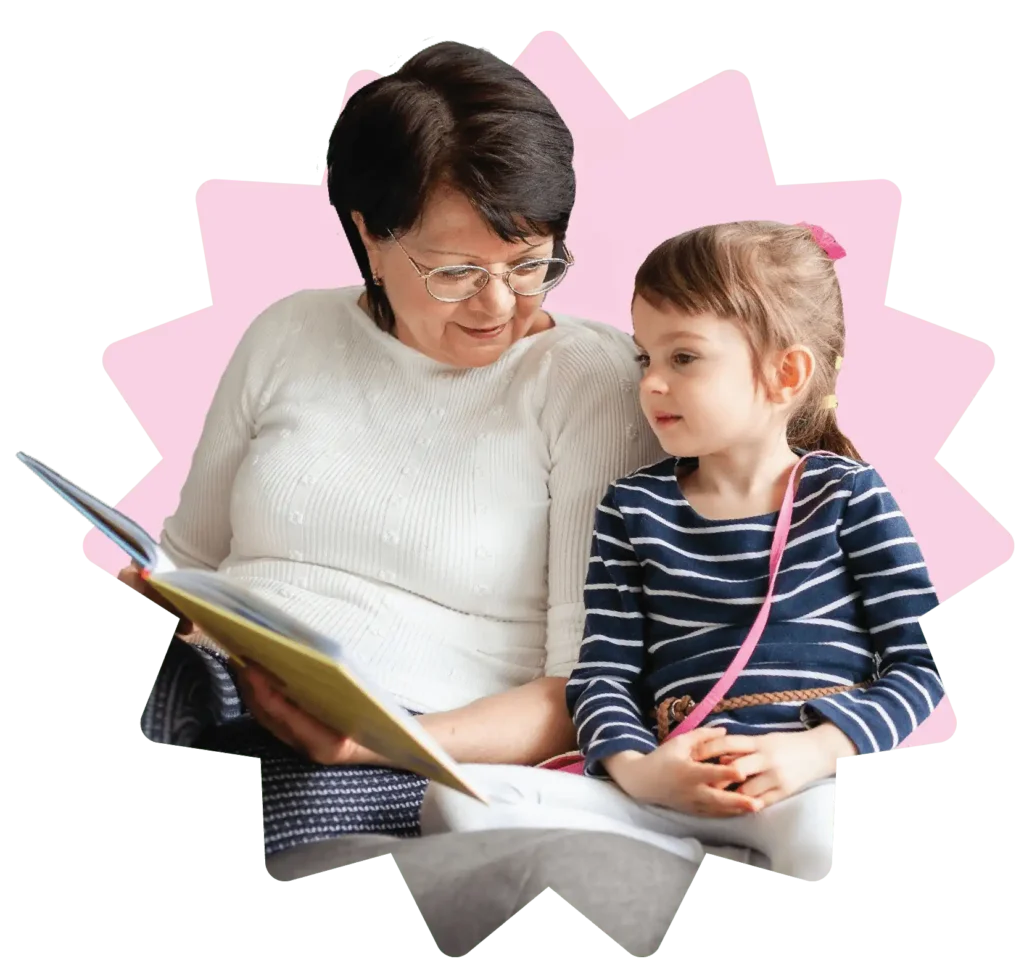
Your child isn’t performing for us in an unfamiliar clinic room.
They’re learning in their own space, surrounded by their toys, their routines, their family. They’re more relaxed. More open. More ready to actually absorb what we’re teaching.
In-home ABA therapy tackles the real challenges you face every single day.
No commute eating up your afternoon. No transitions that trigger meltdowns. Just expert ABA therapy that fits your family’s life.
What changes with home-based ABA therapy
- Morning routines become manageable instead of chaotic
- Dinner happens without constant conflict
- Bedtime takes thirty minutes, not two hours
- Your children can actually play in the same room
- The school stops calling with behavioral concerns
- Your child starts communicating what they need
What our talented BCBAs work on
- Communication and language development
- Behavioral challenges and replacement skills
- Social interaction and peer relationships
- Self-care routines and independence
- Attention and task completion
- Managing repetitive or restrictive behaviors
All of it happens in your home, woven into your family’s daily life.
What you wouldn't hear our ABA therapists say

"This should be working by now."
Every child is different. If something isn't clicking after a reasonable time, we change our approach—not blame your child.

"You need to be firmer with consequences."
We're not here to make you a drill sergeant. We teach strategies rooted in understanding behavior, not punishment.

"Just give it more time."
Time alone doesn't create progress. Strategic intervention does. If we're not seeing movement, we adjust the plan.

"Your child just isn't motivated."
Every child is motivated by something. Our job is to find what works for yours—not expect them to fit a template.

"We'll work on this in the clinic, and it'll transfer home."
That's backwards. We work in your home because skills need to be learned where they'll actually be used.

"Parents should observe from another room."
You're not a distraction. You're essential. We want you involved, asking questions, and learning alongside your child.

Getting started with ABA therapy at home is simple
Step 1:
You reach out
Step 2:
We meet at your home
Step 3:
Your BCBA creates a personalized plan
Step 4:
We handle all insurance authorization
A BCBA designs each therapy plan, so your child’s progress is guided by the highest standard in ABA. Change is possible because we use proven methods, not guesswork. Real credentials for real results.
Step 5:
Therapy begins
Step 6:
You see what's working
An ABA Therapy Success Story: Real Progress, Real Results
Maya's Story
The Beginning
- "We were surviving, not living," her mom told us. "I dreaded waking up every morning."
The Plan
- Visual schedules for getting dressed
- First/then strategies for meals
- Sensory breaks before transitions
- Communication training so Maya could ask for what she needed instead of screaming
The Work
Maya’s therapist, Jordan, showed up three mornings a week. He worked with Maya during the actual getting-dressed routine—not a practice version in a clinic.
When Maya started to escalate, Jordan used the calming strategies they’d practiced. When she got dressed without a fight, she earned immediate positive reinforcement.
Her parents watched every session. Learned every technique. Started using the same strategies on the days Jordan wasn’t there.
The Results
After six weeks: Maya was getting dressed in under 10 minutes most mornings.
After three months: Meals happened without thrown food. Maya was using a communication device to say “all done” instead of screaming.
After six months: Bedtime took 30 minutes, not two hours. Maya’s parents had their evenings back.
“The best part?” her mom said.
- Maya's calmer. Happier. She can tell us what she needs now. She's not trapped in constant frustration anymore.
We're helping families throughout Ohio and Maryland
Frequently Asked Questions
In-home ABA therapy FAQs
How many hours of ABA therapy will my child need per week?
Will we have the same therapist every time?
Do I need to be home during sessions?
What if my child refuses to work with the therapist?
How long will it take to see changes?
Does insurance cover in-home ABA?
Can we reschedule if something comes up?
What if we're not seeing progress?
Hear that knock? It's us at your door.
Wonder Star ABA is ready to come to your Ohio or Maryland home, meet your child where they are, and help your whole family move from surviving to thriving.
Let's take it together.