
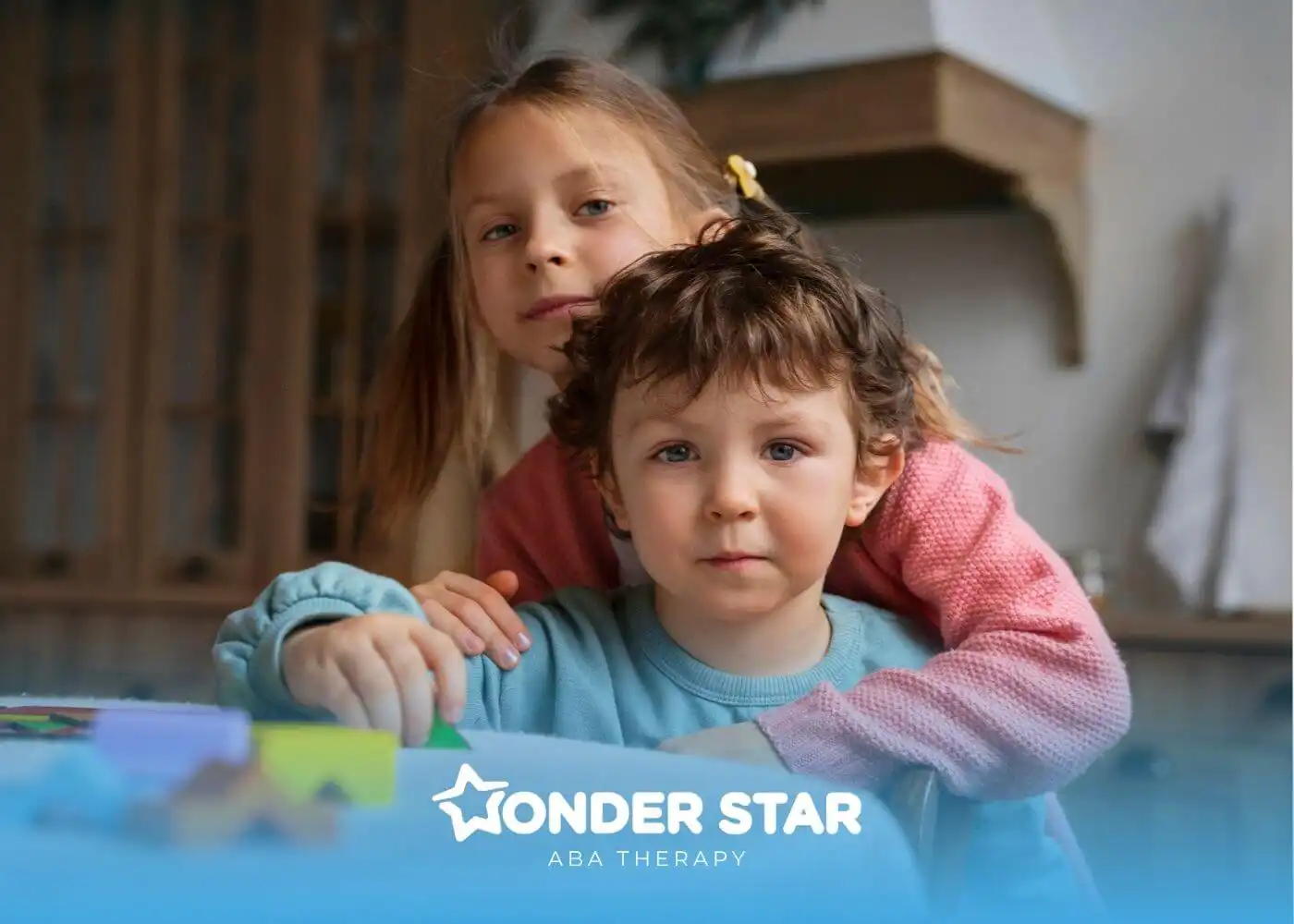
Children with autism can understand emotions, but the process may look different compared to their peers. Many children on the spectrum experience challenges with recognizing facial expressions, interpreting tone of voice, or connecting social cues to emotional states. This doesn’t mean they lack empathy, it often means they need structured support to build these skills.
Research shows that with consistent teaching, modeling, and therapies like Applied Behavior Analysis (ABA), children with autism can improve their emotional understanding. ABA strategies break down complex social interactions into manageable steps, helping children learn how to identify emotions in themselves and others. Over time, these skills support stronger communication, relationships, and self-regulation.
It’s important for parents, educators, and professionals to remember that emotional growth is possible at any age. With patience and evidence-based interventions, children with autism can thrive socially and emotionally.
Wonder Star ABA proudly serves families. Explore how ABA therapy in Ohio and Maryland can help your child build emotional understanding and confidence.
Are you ready to learn? Contact us today!
SOURCES:
https://my.clevelandclinic.org/health/treatments/25197-applied-behavior-analysis
https://vcuautismcenter.org/resources/factsheets/printView.cfm/982
https://pmc.ncbi.nlm.nih.gov/articles/PMC9458805
What are your thoughts on Applied Behavior Analysis?
byu/SaraSl24601 inspecialed
https://www.quora.com/What-is-Applied-Behavior-Analysis-ABA-and-how-does-it-differ-from-other-behavioral-interventions