
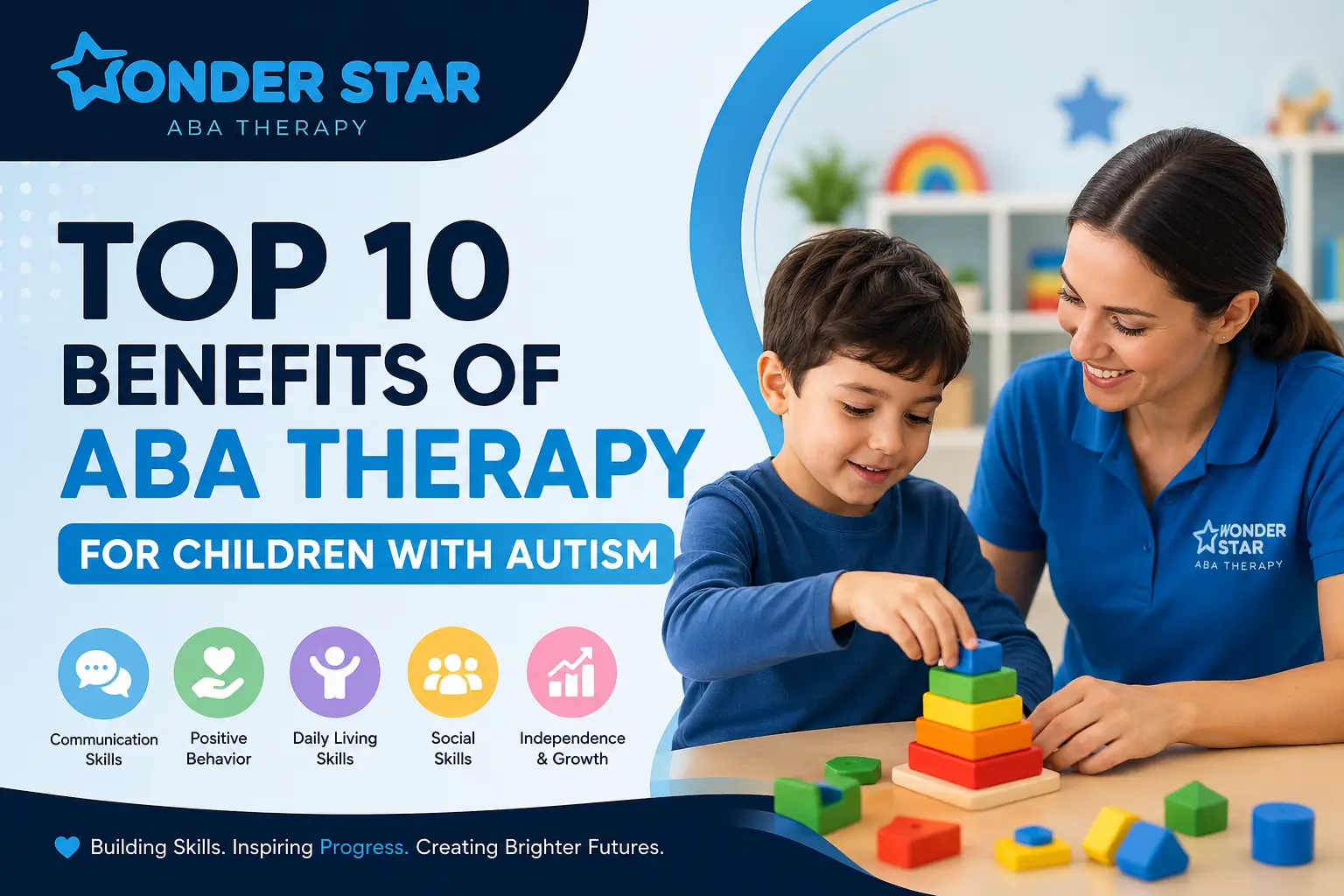
ABA therapy is among the most commonly used approaches when training, encouraging, and supporting children with autism. This therapy is extremely effective in establishing the causes of children’s behavior and the learning process. As mentioned above, the ABA method does not work with suppositions. It concentrates on education, information gathering, and positive reinforcement.
An Applied Behavior Analysis Therapy ensures that the patient improves his social and communication skills, emotional regulation, and completion of important activities of daily living.
Therapists adopt a componential strategy when working on developing the skills of autistic children, whereby they divide the process to prevent the child from being overwhelmed with the data received.
According to the CDC, approximately 1 out of 31 children in the United States has been diagnosed with autism. With this increase, it becomes important for parents to seek out methods such as ABA therapy.
The effects of early intervention may be seen in development, particularly if treatment is provided before age 6. Behavioral therapy, including ABA therapy in Ohio, is recognized as an evidence-based practice for autism by the American Psychological Association.
How ABA Therapy Works in Real Life
ABA therapy does not stay limited to clinic rooms or worksheets. It integrates directly into a child’s daily routine. Therapists will provide training through activities such as meals, playing, or sleeping time. This approach shows how ABA can help the kids apply learned skills in natural, real-life settings.
A therapist may teach a child to point, use a picture card, say one word, or use a communication device to ask for help.
For example, a toothbrushing routine may be broken into small steps: pick up the toothbrush, apply toothpaste, brush front teeth, rinse, and put the toothbrush away.
ABA therapy relies on three key actions:
- Observe behavior
- Teach replacement skills
- Reinforce positive actions
This basic process leads to major behavioral and learning shifts over time. According to studies by the National Institute of Child Health and Human Development, early behavioral intervention positively affects communication and adaptive behavior in autistic children.
Why Early ABA Intervention Matters So Much
Early intervention makes all the difference to autistic children. Their brains are developing quickly during this time, which means they can learn faster. Autistic children who receive ABA therapy at a young age have stronger brain connections for communication and behavior control.
In addition, early ABA treatment decreases frustration. Most bad habits arise from communication problems. Inability to communicate makes people scream and cry, whereas ABA treatment helps them learn to communicate instead of screaming or crying.
According to research from the National Autism Center, early intensive behavioral treatments lead to marked improvements in cognition and language development.
Families in the USA increasingly choose early ABA therapy because they see faster progress when intervention begins sooner.
Role of a BCBA in an ABA Program
Each ABA program is overseen by a Board Certified Behavior Analyst (BCBA). The BCBA conducts assessments on the child’s behavior, develops an individualized intervention strategy, and measures the progress using collected data.
BCBAs do not apply a single treatment approach that works for all children. Rather, they examine various responses that the child exhibits when faced with certain conditions and develop an appropriate strategy.
BCBAs also work hand in hand with parents. The parents are educated on ways to manage their child’s behavior outside therapy sessions to ensure consistency.
Benefits of ABA Therapy for Autistic Children
1. Improved Communication Skills
Communication difficulties tend to be one of the most serious issues that autistic children face. This problem is addressed using ABA by motivating the child to express their ideas, emotions, and needs.
Different strategies are used in ABA to facilitate language skills training in children. Children learn to use gestures, utter single words, and ultimately use complete sentences for communication.
Communication plays a significant role in helping children avoid frustration and increase their self-respect. Effective communicators do not feel frustrated and can easily socialize with others.
2. Decreased Problematic Behavior
Using ABA therapy, aggressive behavior, throwing temper tantrums, hurting oneself, and opposition become much less frequent. It is important to understand why the child is behaving this way. It is then that the therapist replaces such behavior with more constructive ones.
For instance, instead of crying out loud, the child will touch the parents or make a sound. This technique permanently improves the child’s behavior.
3. Greater Independence in Daily Living Activities
ABA intervention trains kids in the skills necessary for daily living, such as brushing their teeth, getting dressed, using the toilet, and developing proper eating habits. Skills are learned step by step, with the therapist starting with simple aspects before moving to the next level.
Children will gain independence in performing these activities without relying on others all the time.
4. Stronger Social Skills
Engaging socially with an autistic child may not always be easy. Social skills like turn-taking, empathy, and sharing are essential for making connections, and ABA therapy can help develop these skills.
Group therapy offers opportunities for developing social skills while being among other children. Social skills can enable one to establish social connections and overcome social isolation.
The next skill a child acquires in ABA therapy is recognizing facial and nonverbal cues. This enables them to build their social connections.
5. Better Focus and Cognitive Skills
Improved focus, memory, and cognitive skills are benefits of ABA therapy. These therapies involve giving children structured activities that need focus and gradually get more difficult.
Children learn how to stay engaged in activities longer, which improves learning ability in both school and home environments. A stronger focus also helps children follow instructions more effectively.
6. Improved Learning
ABA therapy enhances academic success by teaching behaviors for classroom activities. Children can be taught to behave in class, attend to their teacher, and do their work. It is common practice for therapists to collaborate with teachers for the consistent application of learning strategies.
Some children receiving structured ABA-based intervention may show improvements in learning readiness, communication, and adaptive behavior, especially when therapy is individualized and started early.
7. Positive Reinforcement Enhances Motivation
Unlike punishment, ABA therapy applies positive reinforcement. Children earn some reward for exhibiting good behavior or for getting things done. Through such a system, children can develop motivation to do things again. Eventually, children can develop pride in their accomplishments.
Also, positive reinforcement creates an emotional association between rewards and learning, making the therapy more engaging.
8. Individualized Therapy Programs
No child is the same, and therefore no therapy will be the same for each child. An individualized program can be devised using the child’s own attributes and skills. Therapists will tailor the therapy to the child, rather than fitting the child to the therapy.
9. Family Training and Support
ABA treatment is parent-focused. The therapist will train family members in managing behaviors, reinforcing skills, and facilitating learning. This inclusion leads to consistency in settings. Children learn best when they are exposed to the same expectations at home and in therapy.
Parent training also helps reduce stress levels and instill confidence in parenting methods.
10. Long-Term Life Success
ABA therapy makes children ready for adult life by teaching them communication, discipline, social skills, and cleanliness. Autistic children would eventually grow up to be self-sufficient and take control of their surroundings in school and other social environments because of ABA therapy.
Several studies show that early treatment with behavior techniques, such as ABA therapy, is beneficial for the cognitive, communication, and functional skills of autistic children.
Conclusion
Autistic children have an opportunity to be independent through the use of the ABA therapy technique. The therapy mainly revolves around practical skills.
It is also important to note that in the United States, parents have confidence in ABA therapy because it allows them to monitor their child’s progress and make changes based on their needs. In conclusion, it is always advisable to conduct therapy early because the sooner a child starts treatment, the more benefits they gain.