
Can a Child With Autism Attend a Regular School?

Yes, many children with autism can and do attend regular, mainstream schools. Whether a traditional school setting is the right fit depends on each child’s strengths, challenges, and support needs. Some children thrive in general education classrooms with minimal support, while others benefit from accommodations such as an Individualized Education Program (IEP), classroom aides, modified […]
Why Do Children With Autism Avoid Eye Contact?

Many children with autism avoid eye contact, and it’s important to understand that this isn’t a sign of disinterest, rudeness, or lack of connection. For many autistic children, eye contact can feel uncomfortable, overwhelming, or even distracting. One common reason is sensory processing differences. Direct eye contact can be too intense, making it harder for […]
Can Autism Be Diagnosed Before Age 2?

Yes, autism can often be diagnosed before age 2, and in some cases, signs can appear as early as 12 to 18 months. While every child develops at their own pace, certain early indicators may signal the need for a professional evaluation. Common early signs include limited eye contact, delayed speech or babbling, not responding […]
What Does Stimming Mean in Autism?

What Does Stimming Mean in Autism? Stimming, short for self-stimulatory behavior, refers to repetitive movements or sounds that individuals with autism often use to regulate emotions, manage sensory input, or express themselves. Common examples include hand-flapping, rocking, humming, or repeating words. While stimming may look unusual to others, it serves an important purpose for those […]
How Is High-Functioning Autism Diagnosed?

High-functioning autism, often referred to as autism spectrum disorder (ASD) without intellectual disability is diagnosed through a detailed, multi-step evaluation. There is no single medical test. Instead, diagnosis focuses on behavior, communication, and developmental history. The process usually begins when a parent, teacher, or healthcare provider notices consistent differences in social interaction, communication, or behavior. […]
Can a Child Have Autism and Still Talk Normally?
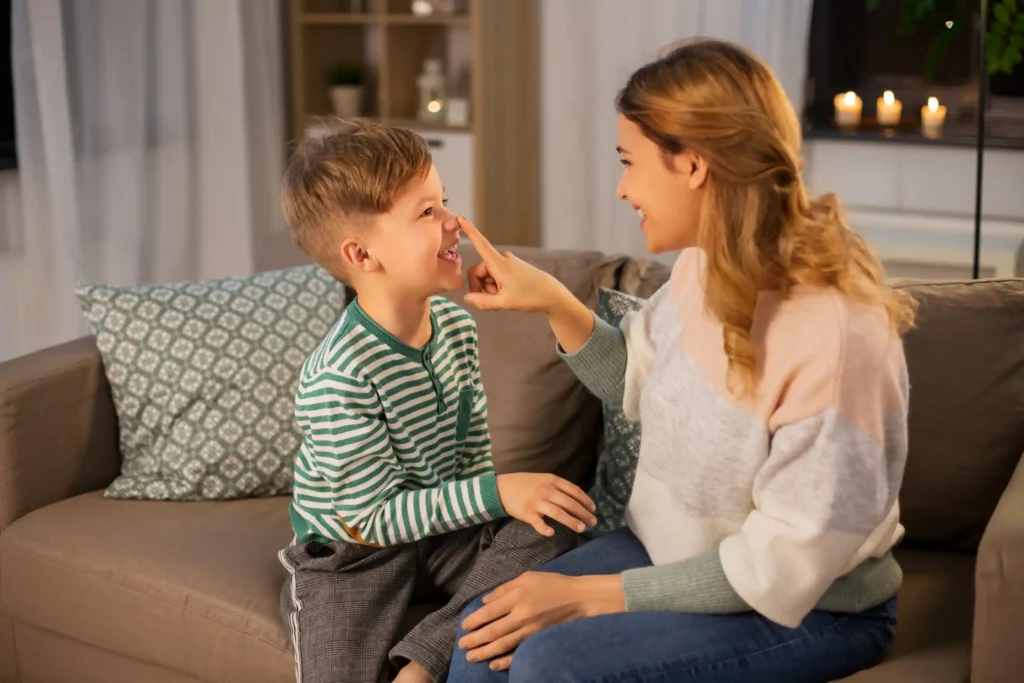
Yes, a child can have autism and still talk normally. Autism Spectrum Disorder (ASD) affects communication in many different ways, and speech ability alone does not rule autism in or out. Some children with autism develop age-appropriate vocabulary, sentence structure, and pronunciation. They may speak fluently and clearly, especially in familiar settings. However, challenges often […]
What Are the Red Flags for Autism in a 2-Year-Old?

Red flags for autism in a 2-year-old often involve differences in communication, social interaction, and play. One common sign is limited or no spoken words, or not using two-word phrases by age two. A toddler may also show reduced eye contact, rarely point to share interest, or not respond consistently to their name. Some children […]
What Is the Difference Between Autism and Sensory Processing Disorder?

Autism and Sensory Processing Disorder (SPD) are different conditions, though they can look similar and often overlap. Autism Spectrum Disorder (ASD) is a neurodevelopmental condition that affects social communication, behavior, and sensory processing. A person with autism may have challenges with social interaction, understanding language, flexible thinking, and may also be very sensitive to sounds, […]
Can Screen Time Cause Autism?

No, screen time does not cause autism. Autism Spectrum Disorder is a neurodevelopmental condition that begins before birth and is influenced by genetics and early brain development. Extensive research has found no evidence that watching TV, using tablets, or playing video games causes autism. However, excessive screen time can affect how young children develop certain […]
Is Autism More Common in Boys Than Girls?

Yes, autism is diagnosed more often in boys than in girls, but that doesn’t mean it only affects boys. According to the CDC, boys are about four times more likely to be identified with Autism Spectrum Disorder than girls. However, researchers now believe autism in girls is often underdiagnosed or diagnosed later because it can […]