
Key Highlights
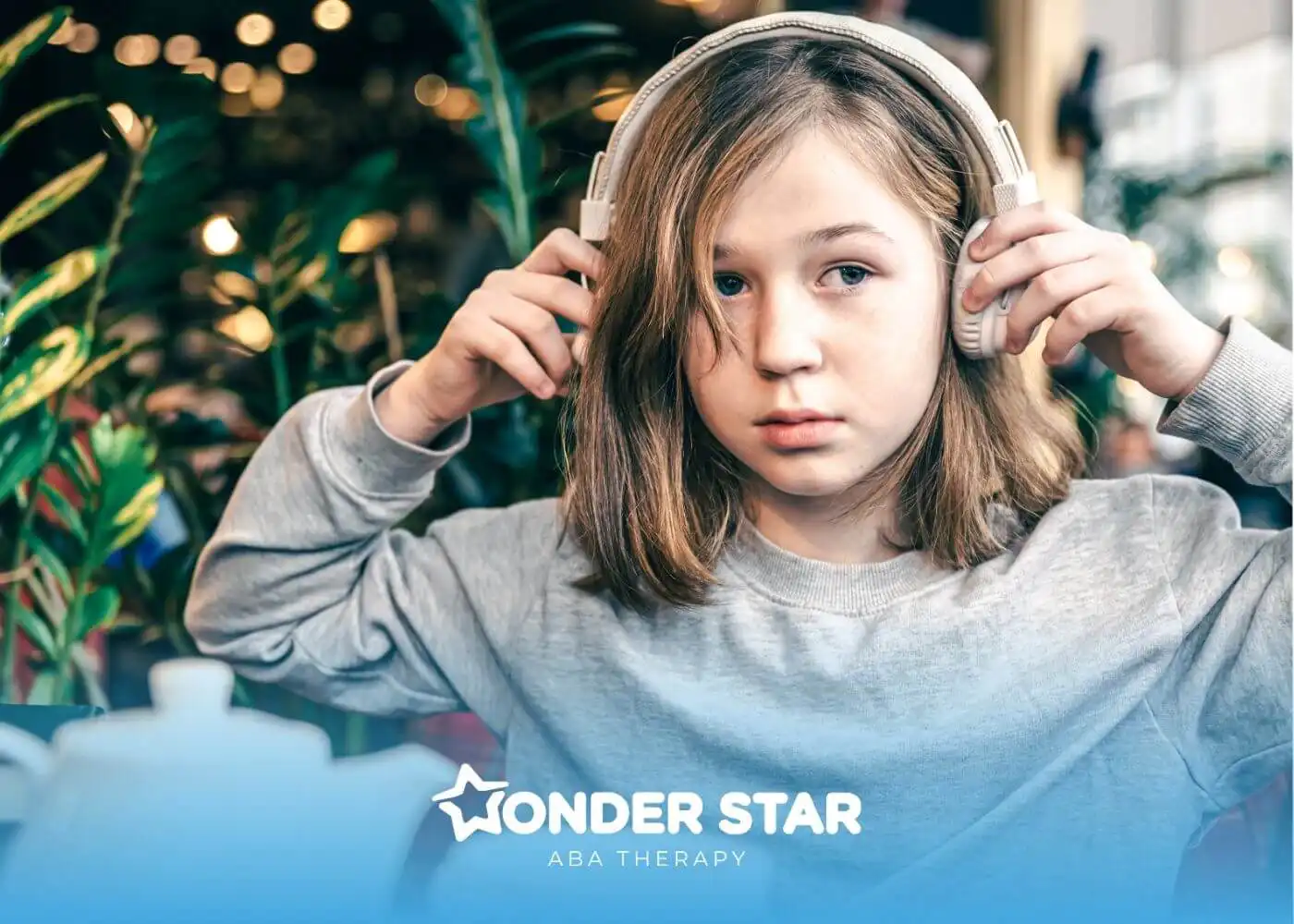
- Noise-canceling headphones are a vital tool for autistic individuals to manage sensory overload caused by ambient noise.
- The best headphones for daily use offer a combination of effective noise cancellation, comfort, and durability.
- Active noise cancellation technology creates a quieter, more peaceful environment for the user.
- By reducing overwhelming sounds, these headphones help autistic individuals manage sensory sensitivities.
- There are various types, including over-ear and in-ear options, each with unique benefits.
- Comfort and safety are key factors when choosing the right pair for an autistic person.
Introduction
For many on the autism spectrum, everyday sounds can be overwhelming due to noise sensitivity. This can lead to sensory overload and significant distress. Noise-canceling headphones offer a practical and effective solution, creating a more comfortable and manageable environment. Using advanced technology, these headphones reduce or block out background noise, allowing autistic individuals to focus and engage with the world without the distraction of loud sounds. This guide will help you find the perfect pair to meet your sensory needs.
Understanding Noise Sensitivity and Autism Spectrum Disorder (ASD)
Individuals with Autism Spectrum Disorder (ASD) often experience the world differently, including a heightened sensitivity to noise. This can make common auditory stimuli feel overwhelming, leading to sensory challenges and overload. Even everyday sounds can cause significant stress and discomfort.
Understanding these sensory differences is the first step in providing effective support. Noise-canceling headphones are a powerful tool that can help create a calmer environment, reducing the impact of overwhelming sounds and helping individuals with autism manage their sensory needs more effectively.
The Impact of Auditory Processing Differences in Autism
Many autistic users struggle with auditory processing, which affects how their brain interprets sounds. This can lead to significant noise sensitivity, where typical background noises become distracting or even painful. The brain may have difficulty filtering out irrelevant sounds, making it hard to focus on a conversation or task.
This heightened reactivity to auditory stimuli can quickly lead to sensory overload. When the brain is bombarded with too much sound information, it can trigger stress, anxiety, and even meltdowns. For some, loud or sudden noises are particularly challenging, impacting their ability to feel safe and comfortable in various environments.
Acknowledging these auditory processing challenges is crucial for supporting the sensory needs of individuals with autism. By understanding how overwhelming sounds can be, we can implement strategies and tools, such as noise-reducing headphones, to help create a more manageable and less stressful auditory world for autistic users.
Common Triggers and Challenges in Sensory Environments
Noisy environments are filled with auditory stimuli that can easily trigger sensory overload for someone with autism. The constant hum of background noise in a classroom, the roar of traffic on busy streets, or the chatter in a crowded mall can be incredibly difficult to process. These situations present daily challenges.
What might be simple background noise to one person can feel like a chaotic barrage of sound to another. This can make participation in school, work, or social events a source of anxiety and distress. The inability to filter out these unwanted sounds makes it hard to concentrate and stay calm.
Common triggers that often lead to sensory overload include:
- Sudden loud noises like alarms or sirens
- The overlapping conversations in a cafeteria or restaurant
- The hum of appliances or electronics
- The general din of public transportation
- Crowded public spaces like shopping centers
How Noise-Canceling Headphones Support Autistic Individuals
Noise-canceling headphones are a game-changer for many on the autism spectrum. By actively reducing ambient sounds, they create a much calmer environment. This barrier against overwhelming noise helps prevent sensory overload, allowing an individual to feel more secure and in control of their surroundings.
This technology can make a significant difference in daily life, especially for autistic children who may have trouble articulating their distress. The headphones provide a portable sanctuary, reducing anxiety and making it easier to navigate potentially stressful situations like school or public outings.
Reducing Sensory Overload and Enhancing Comfort
The primary benefit of noise-canceling headphones is their ability to significantly reduce sensory overload. By filtering out distracting and overwhelming sounds, these devices create a personal bubble of quiet. This noise reduction helps the brain process the environment without becoming overwhelmed, which is key for emotional regulation.
Comfort is just as important as performance. Headphones with soft, cushioned ear cups that fit securely without being too tight are essential for long-term wear. A comfortable fit ensures that the individual will be willing to use them when needed, making the tool much more effective in daily practice.
When sensory input is managed effectively, an individual can feel more relaxed and focused. This enhanced comfort and reduced sensory stress can lead to fewer meltdowns and a greater ability to participate in activities that might otherwise be too challenging. It empowers them with a sense of control over their auditory environment.
Real-Life Examples from ABA Therapy and Classroom Settings
In our ABA therapy sessions, we’ve seen firsthand how noise-canceling headphones can transform a child’s ability to engage. For example, a child who previously struggled with sensory challenges during group activities was able to participate calmly and focus on social interactions while wearing headphones. The consistent use of this tool helped them feel more secure.
In classroom settings, teachers in Maryland and Ohio report similar successes. A student who was easily distracted by hallway noise and classroom chatter was able to complete assignments independently after being introduced to headphones. This simple accommodation improved their focus and academic performance, making their daily life at school much more positive.
These real-life examples show that headphones are more than just an accessory; they are a functional tool that supports learning and social development. By mitigating sensory overload, they help autistic individuals navigate environments that would otherwise be too overwhelming, fostering greater independence and confidence.
Types of Noise-Canceling Headphones Suitable for Autism
When selecting noise-canceling headphones, it’s helpful to understand the different types available. The main technologies are active noise cancellation (ANC) and passive noise isolation. While regular noise-canceling headphones are designed for general consumers, sensory headphones are often built with the specific needs of autistic users in mind, focusing heavily on comfort and consistent noise reduction.
You can choose from over-ear, on-ear, and in-ear styles. Each type offers distinct pros and cons regarding comfort, portability, and effectiveness. Understanding these differences will help you select the most suitable option for managing sensory input effectively.
Over-Ear vs. On-Ear vs. In-Ear: Pros and Cons
The style of headphones can greatly impact comfort and effectiveness. Over-ear headphones have large ear cups that fully enclose the ear. This design provides excellent noise isolation and is often considered the most comfortable for long periods, though some may find them bulky.
On-ear headphones rest directly on the ears. They are typically more lightweight and portable than over-ear models but offer less noise isolation. In-ear headphones, or earbuds, fit inside the ear canal, making them the most discreet and portable option. However, the fit can be tricky, and some users may find them uncomfortable for extended wear.
Deciding on the best style depends on individual preference and sensory needs. Consider where and how long the headphones will be worn.
| Headphone Type | Pros | Cons |
| Over-ear | Excellent noise isolation, very comfortable | Can be bulky and less portable |
| On-ear | Lightweight, portable | Less noise isolation, can press on ears |
| In-ear | Very discreet and portable, good for activity | May cause discomfort, fit can be difficult |
Comparing Active Noise Cancellation and Passive Noise Isolation
Understanding the technology behind noise reduction is key to choosing the best headphones. Active Noise Cancellation (ANC) is an electronic method. Headphones with ANC use tiny microphones to detect ambient noise and then generate an opposite sound wave to cancel out those unwanted sounds before they reach your ears. This is highly effective against constant, low-frequency noises like engine hums or air conditioners.
Passive noise isolation, on the other hand, works physically. It uses the materials and design of the headphones, such as thick padding and well-sealed ear cups, to create a physical barrier that blocks external noise. This method is effective at muffling a wide range of sounds, especially higher-frequency ones like conversations.
Many of the best headphones combine both technologies for maximum noise reduction. ANC targets the low rumbles, while the passive design blocks everything else. The right choice depends on the specific types of noise you need to block and the environment where the headphones will be used.
Key Features to Look for in Noise-Canceling Headphones for Autism
When searching for the right pair of headphones, several key features are crucial for ensuring they meet the sensory needs of autistic individuals. A comfortable fit is non-negotiable, as the headphones may be worn for long periods. You should also look for durability, safety features, and ease of use.
Beyond comfort, consider practical aspects like battery life, especially for wireless options, and overall sound quality if they will also be used for listening to music or other audio. The level of noise reduction is paramount, so prioritize models known for their effectiveness.
Comfort, Fit, and Long-Term Wearability
A comfortable fit is perhaps the most critical feature of headphones for autistic users. If a pair of headphones is uncomfortable, it simply won’t be worn. Look for models with an adjustable headband to ensure a snug but not-too-tight fit on any head size. The clamping force should be gentle.
The ear cups should be a major focus. Generously padded ear cushions made from soft, breathable materials can prevent irritation and overheating during long periods of use. Lightweight designs also contribute to overall comfort, reducing strain on the head and neck.
For long-term wearability, test how the headphones feel after 20-30 minutes. Any pressure points or discomfort will only become more pronounced over time. A truly comfortable pair will feel almost unnoticeable, providing a seamless and calming experience for the user throughout their day.
Safety, Durability, and Materials
Safety and durability are essential, especially when choosing headphones for children or for rigorous daily use. The materials should be sturdy enough to withstand occasional drops or rough handling. Look for headphones made from high-quality, non-toxic plastics and metals.
Safety features are also a top priority. Many headphones designed with children in mind include volume limits, which cap the maximum sound output to a safe level to protect sensitive ears from potential hearing damage. This is a crucial feature for any user who might turn the volume up too high.
When evaluating a pair of headphones, check for the following:
- Sturdy Construction: Do the joints and headband feel solid?
- Volume-Limiting Technology: Is there a built-in feature to cap the volume?
- Non-Toxic Materials: Are they made from child-safe, hypoallergenic materials?
- Tangle-Free Cords: If wired, is the cord durable and resistant to tangling?
Beginner’s Guide: Choosing the Right Noise-Canceling Headphones for Autistic Individuals
Choosing the right pair of headphones for the first time can feel daunting, but it doesn’t have to be. The first step is to clearly identify the user’s specific sensory needs and how they plan to use the headphones. For long-term wear, comfort is paramount for autistic adults and children alike.
This guide will walk you through the process, from setting a budget and checking device compatibility to testing out different models. By following these steps, you can confidently select headphones that provide comfort, effective noise reduction, and a better quality of life.
What You’ll Need to Get Started (Budget, Device Compatibility, Preferences)
Before you begin shopping, it’s helpful to establish a few key parameters. First, determine your budget. Noise-canceling headphones range widely in price, but there are excellent options available at various price points. Knowing how much you’re willing to spend will help narrow down your choices.
Next, consider device compatibility. If you’re looking at wireless headphones, make sure they can easily connect to the user’s phone, tablet, or computer via Bluetooth. For wired options, check that they have the correct plug for your devices.
Finally, think about personal preferences. Some users may prefer a specific style, like the over-ear design of the Bose QuietComfort 35 II, while others might want a more discreet in-ear model. Here are a few things to consider:
- Your budget range
- Required device compatibility (Bluetooth, specific ports)
- Preferred style (over-ear, on-ear, in-ear)
- Color or design preferences
- Wired vs. wireless headphones
Step-by-Step Guide to Selecting the Best Headphones
Finding the best headphones involves more than just picking a popular brand. It’s about finding the right choice for the individual’s unique needs. This step-by-step guide will help you navigate the process and make an informed decision.
The goal is to find a pair of headphones that delivers effective noise cancellation without sacrificing comfort or usability. A good listening experience is a bonus if the headphones will be used for audio, but the primary focus should be on creating a calmer auditory environment.
By systematically working through these steps, you can increase your chances of finding a pair of headphones that will be a valuable tool for managing sensory sensitivities. Let’s get started on finding that perfect match.
Step 1: Identify Sensory Needs and Usage Scenarios
The first and most important step is to understand the user’s specific sensory needs. Does the individual have a high level of sensory sensitivity to all noises, or are certain frequencies or types of sound more triggering? Knowing this will help you decide if you need maximum noise cancellation or something more moderate.
Consider the primary usage scenarios. Will the headphones be used for daily use at school, in a busy office, during travel, or just for quiet time at home? The auditory environment plays a huge role in determining what features are most important. For instance, someone navigating public transit will need more powerful noise cancellation than someone using them in a library.
For individuals on the autism spectrum, a tool that is effective across various settings is often ideal. Think about the biggest challenges in their daily routine and how a quieter auditory environment could help solve them.
Step 2: Research Recommended Brands and Models
Once you know what you’re looking for, it’s time to research recommended brands and models. Certain brands have built a reputation for high-quality noise cancellation and comfort, making them a great starting point for people with autism. Bose, Sony, and Sennheiser are often at the top of the list for over-ear headphones.
Models like the Bose QuietComfort series are renowned for their powerful ANC and comfortable fit. The Sony WH-1000XM4 is another top contender, praised for its adaptive sound technology. For those who prefer in-ear options, the Apple AirPods Pro offers effective noise cancellation in a compact design. There are also brands like Puro Sound Labs that specialize in volume-limiting headphones for children.
Don’t just rely on brand names. Read reviews from other autistic users or their families, as they can provide valuable insights into how a specific model performs in real-world sensory situations. These personal accounts can be more helpful than technical specifications alone.
Step 3: Test for Comfort, Fit, and Sound Quality
Whenever possible, test the headphones before buying. Comfort and fit are highly personal, and what works for one person may not work for another. If you’re in a store, have the user wear the headphones for at least 15-20 minutes to check for any pressure points or discomfort.
Pay close attention to the ear cups. Do they fully enclose the ears without pressing on them? Is the headband pressure comfortable? For in-ear models like ear plugs or earbuds, try the different tip sizes included to find the most secure and comfortable fit. An improper fit can not only be uncomfortable but also reduce the effectiveness of the noise isolation.
If testing in person isn’t an option, buy from a retailer with a good return policy. This allows you to test the headphones at home in a familiar environment. While sound quality is secondary for noise reduction, if they will be used for music, test that as well to ensure a pleasant listening experience.
Step 4: Consider Practical Features (Battery Life, Wireless Options, Cleaning)
Beyond noise cancellation and comfort, practical features can make or break the user experience. For wireless options, battery life is a major consideration. Look for models that offer enough charge to last through a typical day of use to avoid the frustration of a dead battery.
Ease of use is another key factor. The controls should be simple and intuitive, allowing the user to easily turn them on, adjust volume, or activate noise cancellation without confusion. Also, think about maintenance. Headphones should be easy to clean, especially the ear cushions, which can accumulate sweat and dirt with daily use.
Consider these practical points before making a final decision:
- Long Battery Life: Can it last a full day?
- Wireless vs. Wired: Which is more convenient and safer for the user?
- Ease of Cleaning: Can the ear pads be wiped down or replaced?
- Included Safety Features: Does it have volume limiting or a durable build?
Tips for Introducing Headphones to Autistic Children, Teens, and Adults
Introducing headphones to autistic children, teens, or adults requires patience and a positive approach. The goal is to make it a helpful tool, not a source of stress. A gradual introduction is often the most successful method for avoiding sensory overload and encouraging acceptance.
While teenagers and adults with autism can often use the same models, children may need headphones specifically designed for smaller heads and with built-in volume limits for safety. The key is to tailor the introduction process and the choice of headphones to the individual’s age, needs, and preferences.
Gradual Introduction and Desensitization Techniques
A gradual introduction is essential when presenting headphones to someone on the autism spectrum. Start by simply having the headphones present in a calm, familiar environment. Let the individual touch and explore them without any pressure to wear them. This helps build familiarity and reduces anxiety.
Next, encourage short periods of wear, perhaps for just a minute or two, during a favorite activity. You can associate the headphones with positive experiences, like listening to a favorite song or watching a video. Use praise and positive reinforcement to create a good association. Slowly increase the duration as their comfort level grows.
This desensitization process helps prevent the headphones themselves from becoming a source of sensory overload. By allowing the user to set the pace, you empower them to adopt the tool willingly. Consistent use will become easier once they feel in control and understand the benefits.
Personalization and Customizing for Individual Preferences
Personalization can significantly increase the acceptance and use of noise-canceling headphones. Customizing the device to fit individual preferences makes it feel more like a personal tool rather than a generic piece of equipment. This can be as simple as choosing a favorite color or adding stickers.
Many headphones also offer technical customization. Some models allow you to adjust the level of noise cancellation, letting in a certain amount of ambient sounds if complete silence is disorienting. Others have equalizers to tailor the sound quality for music or white noise apps.
Here are a few ways to personalize the experience:
- Allow the user to choose the color or style of the headphones.
- Explore apps that let you adjust ANC levels or sound profiles.
- Consider adding soft, custom ear cup covers for a different texture.
- Ensure a perfect, comfortable fit by adjusting the headband and testing different ear tips.
Conclusion
Selecting the right noise-canceling headphones for autistic individuals can significantly enhance their comfort and quality of life. By understanding the unique auditory processing differences associated with autism, we can make informed choices that reduce sensory overload and create a more peaceful environment. Real-life examples from ABA therapy and classroom settings highlight the positive impact these headphones can have, allowing users to navigate challenging sensory experiences with greater ease. Remember to consider key features such as comfort, durability, and practicality when making your selection.
At Wonder Star ABA, we are serving families. We integrate tools like noise‑canceling headphones into evidence‑based ABA therapy in Maryland and Ohio to support growth and independence.
Ready to explore personalized strategies for your child or students? Contact us today!
Frequently Asked Questions
Can noise-canceling headphones be used by both children and adults with autism?
Yes, noise-canceling headphones are beneficial for both autistic children and autistic adults. While adults may prefer standard models, children often need smaller sizes and volume-limiting features for safety. The key is finding a comfortable fit that matches the individual’s sensory sensitivity to encourage consistent use.
Are there affordable options for high-quality noise-canceling headphones?
Absolutely. While the best headphones from top brands can be expensive, many affordable options offer excellent noise reduction, good sound quality, and decent battery life. Brands like Anker Soundcore offer budget-friendly models that are highly effective for managing sensory needs without compromising on key features.
How do I properly clean and maintain noise-canceling headphones?
For proper cleaning, regularly wipe down the noise-canceling headphones with a dry, soft cloth. For the ear cups, use a slightly damp cloth with mild soap if needed, but ensure they are completely dry before the next use. Proper care is essential for hygiene and durability with daily use.
Where can I find reliable reviews of noise-canceling headphones for autistic users?
You can find reliable reviews of noise-canceling headphones on tech websites, online forums, and social media groups dedicated to autism support. These communities often have threads where autistic users and their families share their firsthand experiences with different models, discussing sound quality, comfort, and other key features.
SOURCES:
Noise-Canceling Headphones for Autism: The Ultimate Guide
Noise cancelling headphone recommendations?
byu/babyybunnyy3 inAutisticAdults
https://www.amazon.com/sensory-headphones/s?k=sensory+headphones
https://www.aota.org/publications/ot-practice/ot-practice-issues/2023/research-update-noise-canceling-headphones-for-autistic-children
https://www.target.com/s/autism+headphones