
What Is the Difference Between Autism and Sensory Processing Disorder?

Autism and Sensory Processing Disorder (SPD) are different conditions, though they can look similar and often overlap. Autism Spectrum Disorder (ASD) is a neurodevelopmental condition that affects social communication, behavior, and sensory processing. A person with autism may have challenges with social interaction, understanding language, flexible thinking, and may also be very sensitive to sounds, […]
Can Screen Time Cause Autism?

No, screen time does not cause autism. Autism Spectrum Disorder is a neurodevelopmental condition that begins before birth and is influenced by genetics and early brain development. Extensive research has found no evidence that watching TV, using tablets, or playing video games causes autism. However, excessive screen time can affect how young children develop certain […]
Is Autism More Common in Boys Than Girls?

Yes, autism is diagnosed more often in boys than in girls, but that doesn’t mean it only affects boys. According to the CDC, boys are about four times more likely to be identified with Autism Spectrum Disorder than girls. However, researchers now believe autism in girls is often underdiagnosed or diagnosed later because it can […]
Discover the Worst Jobs for Autistic Adults

Key Highlights Introduction Finding the right job can be a difficult journey, and for autistic adults, it often comes with an extra layer of complexity. Traditional job-seeking methods may not align with the unique strengths and challenges associated with autism spectrum disorder. While individuals with autism can excel in their careers with the right support, […]
Key Autism Symptoms in Children You Should Know

Key Highlights Introduction As a parent or caregiver, you want the best for your child. Noticing differences in your child’s development can be concerning. Understanding the key symptoms of autism spectrum disorder can help you identify if your child might need extra support. This guide is designed to walk you through the common signs seen […]
Understanding Autistic Meltdown vs Panic Attack

Key Highlights Here are the main points to remember about an autistic meltdown versus a panic attack: Introduction Navigating the world of neurodiversity can sometimes feel confusing, especially when intense emotional episodes occur. Terms like autistic meltdown and panic attack are often used interchangeably, but they are very different experiences. For families, caregivers, and individuals […]
Does Bad Parenting Cause Autism?
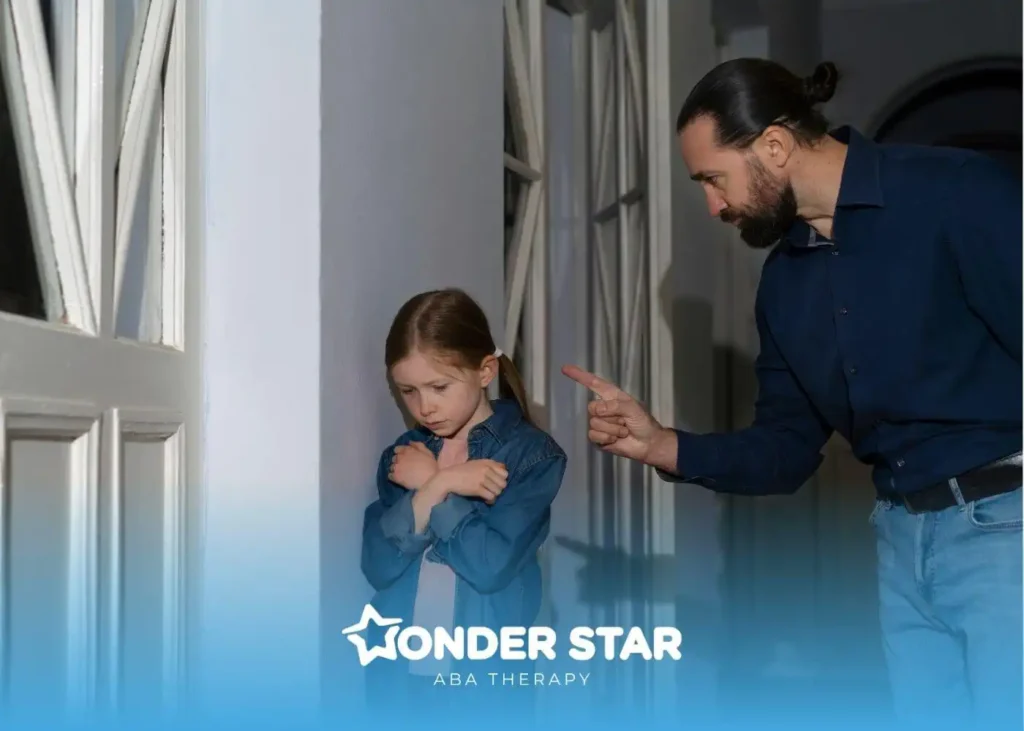
No, bad parenting does not cause autism. Autism Spectrum Disorder (ASD) is a neurodevelopmental condition that a child is born with. Research shows that autism is influenced by genetics and brain development, not by how a parent raises their child. This is a common and painful myth that can lead families to feel unnecessary guilt […]
Are All Autistic Children Nonverbal?
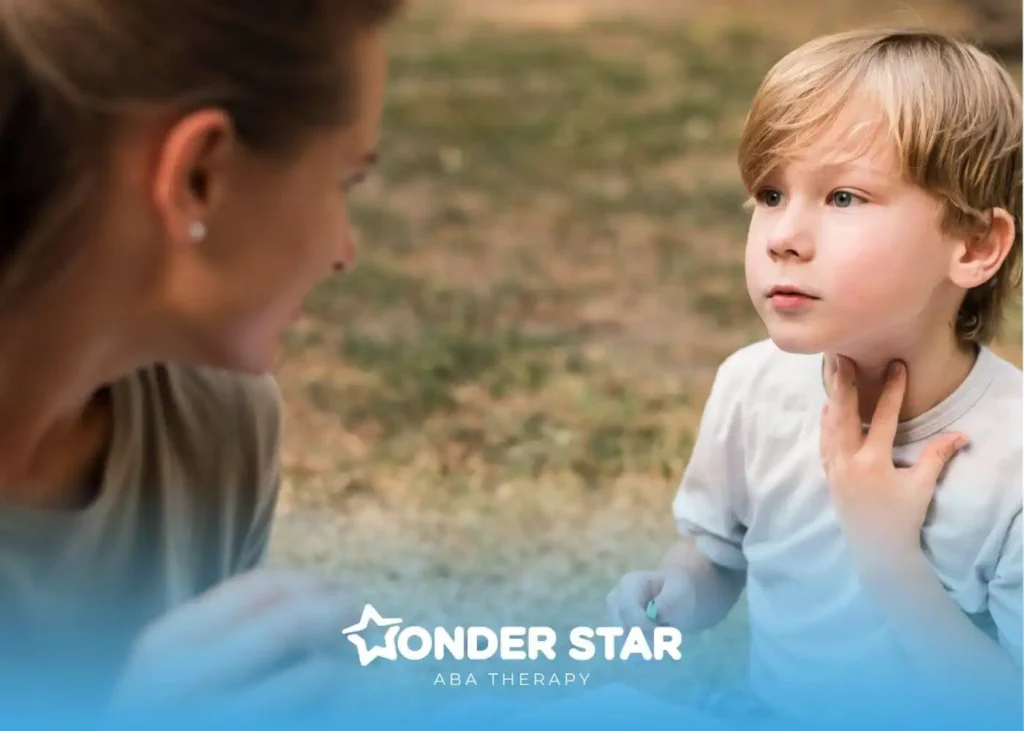
No, not all autistic children are nonverbal. In fact, most children on the autism spectrum do develop some form of spoken language. Autism is a wide spectrum, which means communication abilities can vary greatly from one child to another. Some children speak in full sentences and carry on conversations, while others may use only a […]
What’s the Difference Between High-Functioning Autism and Asperger’s?

Today, there is no clinical difference between “high-functioning autism” and Asperger’s. Both fall under the same diagnosis: Autism Spectrum Disorder (ASD). Asperger’s was once used to describe individuals with strong language skills and average or above-average intelligence who still had social communication challenges and repetitive behaviors. In 2013, the DSM-5 removed Asperger’s as a separate […]
Can Children “Outgrow” Autism?
Autism Spectrum Disorder (ASD) is a lifelong neurodevelopmental condition, not something a child simply “outgrows.” However, with early and consistent intervention, especially through Applied Behavior Analysis (ABA) therapy, many children can make significant progress in communication, behavior, and social skills. Some children may no longer meet the diagnostic criteria for autism as they grow older. […]