
What Age Is Too Late for ABA Therapy?

The simple answer: it’s never too late for ABA therapy. Applied Behavior Analysis (ABA) is often associated with early intervention, and research shows starting young can lead to strong developmental gains. The CDC highlights the importance of early support for children with autism. However, ABA is effective across all ages when tailored to the individual. […]
Can You Go From Level 3 Autism to Level 1?

Autism levels (Level 1, 2, and 3) describe how much support a person needs at a given time, not their intelligence or long-term potential. So, can someone go from Level 3 to Level 1? In some cases, yes, their support needs can significantly decrease with effective intervention and skill development. Level 3 autism indicates a […]
Home-Based or Center-Based ABA Therapy: Which Is Best for Families in Maryland and Ohio?

Introduction When your child is recommended for Applied Behavior Analysis (ABA) therapy, one of the first major decisions you’ll face is: Should we choose home-based or center-based ABA therapy? For families in Maryland and Ohio, this choice can feel overwhelming. Both settings offer meaningful benefits, and the “right” answer depends on your child’s needs, your […]
Insurance Coverage for ABA Therapy: What Families in Maryland and Ohio Need to Know

Introduction If your child has recently been diagnosed with Autism Spectrum Disorder (ASD), one of the first questions you’re likely asking is: “Will insurance cover ABA therapy?” Applied Behavior Analysis (ABA) is widely recognized as an evidence-based treatment for autism. However, understanding insurance coverage can feel overwhelming, especially when navigating state regulations, private insurance plans, […]
ABA Therapy Enhancing Social Skills: A Guide for Families in Maryland and Ohio

Introduction For many parents in Maryland and Ohio, one of the biggest concerns after an autism diagnosis is social development. Questions like: are common and completely valid. Applied Behavior Analysis (ABA) therapy is widely recognized as an evidence-based approach that supports communication and behavior. But one of its most meaningful impacts is often in enhancing […]
Misconceptions About ABA Therapy: What Families in Maryland and Ohio Should Know

Introduction If you’ve been researching autism support services, you’ve likely come across mixed opinions about Applied Behavior Analysis (ABA) therapy. Some families in Maryland and Ohio hear that ABA is life-changing. Others encounter criticism online that leaves them confused or hesitant. So what’s the truth? Like many evidence-based interventions, ABA therapy is often misunderstood. In […]
Sulforaphane for Autism: What Families in Maryland and Ohio Should Know

Introduction If you’re a parent, caregiver, educator, or professional in Maryland or Ohio, you may have searched: “Does sulforaphane help autism?” Sulforaphane, a natural compound found in cruciferous vegetables like broccoli sprouts, has gained attention in autism research over the past decade. Some families report improvements in behavior, communication, or social engagement. Others are unsure […]
Does ABA Count as Mental Health Services?
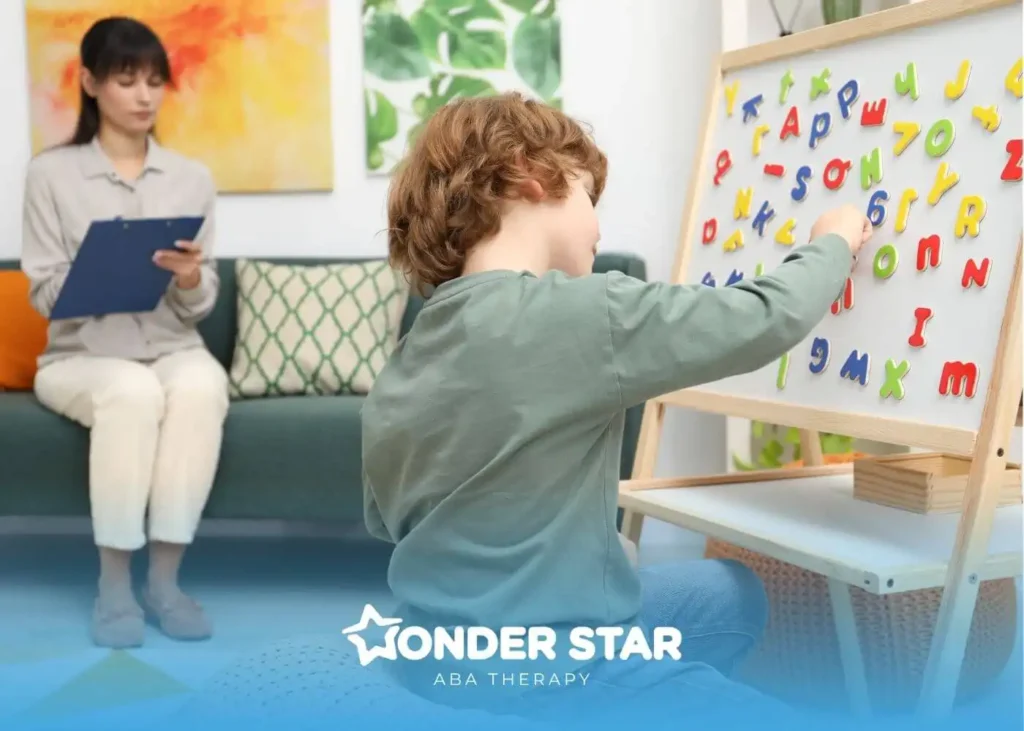
Families often ask whether Applied Behavior Analysis (ABA) therapy is considered a mental health service. The answer is: yes, in many cases. ABA is widely recognized as a behavioral health service, and because it supports children with autism in communication, social skills, and emotional regulation, it often falls under mental health coverage. While ABA is […]
How Do People Afford ABA Therapy?

Applied Behavior Analysis (ABA) therapy is one of the most effective treatments for children with autism, but families often wonder how they can afford it. The good news is that ABA therapy is more accessible than many realize. Most health insurance plans in Maryland and Ohio are required to cover ABA therapy. Families can start […]
What Does ABA Therapy Look Like for a 2‑Year‑Old?

ABA therapy for a 2‑year‑old focuses on early intervention, where small, structured steps build toward big developmental gains. At this age, sessions are play‑based and highly interactive, designed to feel natural and engaging for toddlers. Therapists use toys, games, and everyday routines to teach skills like communication, following directions, and social interaction. Reinforcement is key, […]