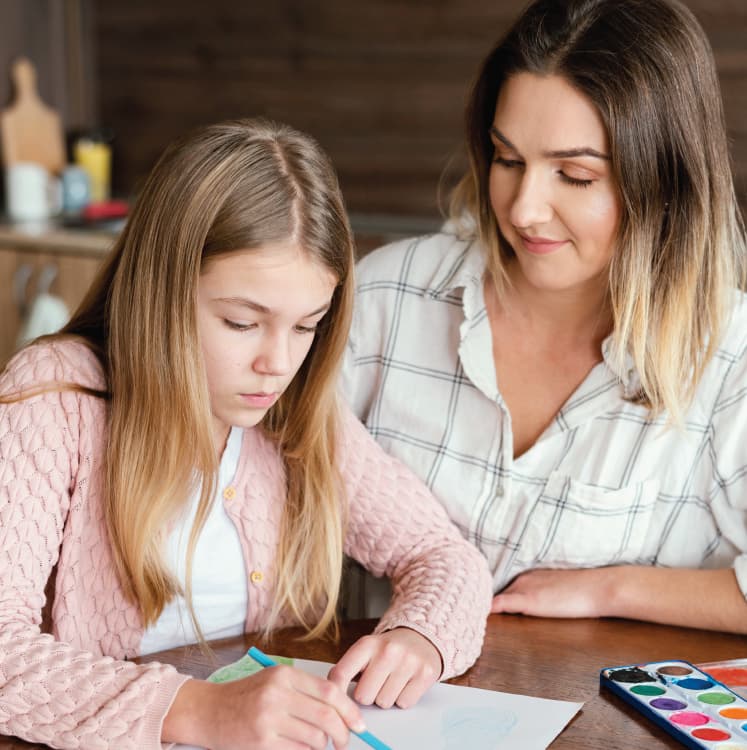

Teaching a second language to a child with autism requires patience, structure, and individualized strategies. The key is to build on strengths while reducing frustration. Start with visual supports, pictures, flashcards, and videos help connect words to meaning. Pairing spoken language with gestures or symbols can reinforce understanding.
Consistency is critical. Short, frequent practice sessions are more effective than long lessons. Focus on functional vocabulary first, words and phrases the child can use daily, such as greetings, requests, or routines. Incorporating the second language into play, songs, or favorite activities makes learning engaging and natural.
Collaboration matters. Parents, educators, and ABA therapists should work together to ensure the child receives consistent exposure across settings. Importantly, progress should be celebrated, no matter how small. The goal is not fluency overnight but building confidence and communication skills over time.
At Wonder Star ABA, we are serving families, and we specialize in individualized ABA therapy in Maryland and Ohio that supports language development and communication growth.
Learn how our team can help your child thrive while learning a second language. Contact us today!
SOURCES:
- https://www.autismparentingmagazine.com/building-vocabulary-autism/?srsltid=AfmBOoqgLibLv3__BhicbcprEOiQHZoBrURCrXLij2_mnphfRIpfnh0w
- https://pmc.ncbi.nlm.nih.gov/articles/PMC9140079/
- https://www.reddit.com/r/slp/comments/5yc65d/how_do_you_teach_language_to_a_child_with_autism/
- https://digitalcommons.hamline.edu/cgi/viewcontent.cgi?article=1241&context=hse_all
- https://www.quora.com/What-are-some-strategies-for-teaching-ESL-to-children-who-have-autism